Have you ever spotted a beautiful crochet piece and thought, “I want to make that too!” — only to find yourself staring at a pattern full of strange symbols and confusing abbreviations?
You’re not alone. Reading crochet charts and understanding the differences between US (American) and UK (British) terminology can feel tricky at first.
In this guide, I’ll walk you step by step through the most common crochet symbols and the key terminology differences, so you can confidently start any new pattern — with no more confusion.
Crochet Symbols: Why They’re So Useful
Crochet symbols are like a universal language. While stitch names may change from country to country, the symbols always remain the same. This means that once you learn how to read them, you’ll be able to follow patterns from all over the world with ease.
In this guide, I’ll walk you step by step through the most common crochet symbols and the key terminology differences, so you can confidently start any new pattern — with no more confusion.
US vs UK Terminology
One of the first things to know is that the basic stitches don’t share the same names in US and UK English.
Here’s a handy comparison chart for the most common stitches:
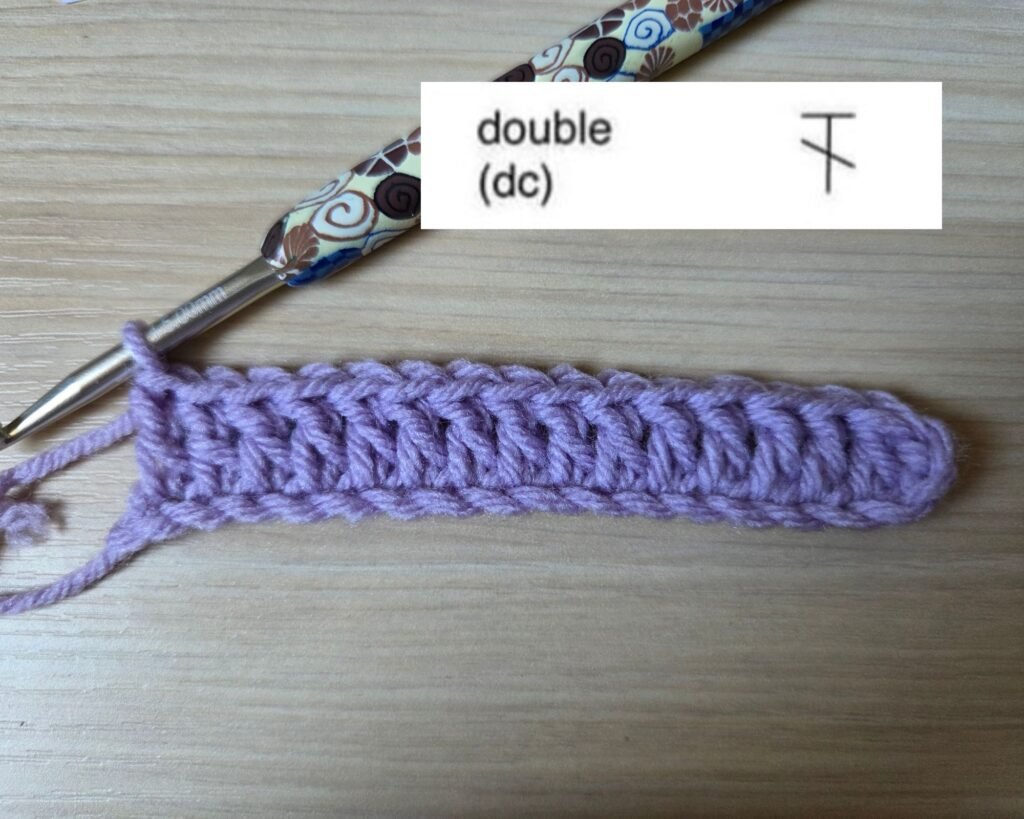
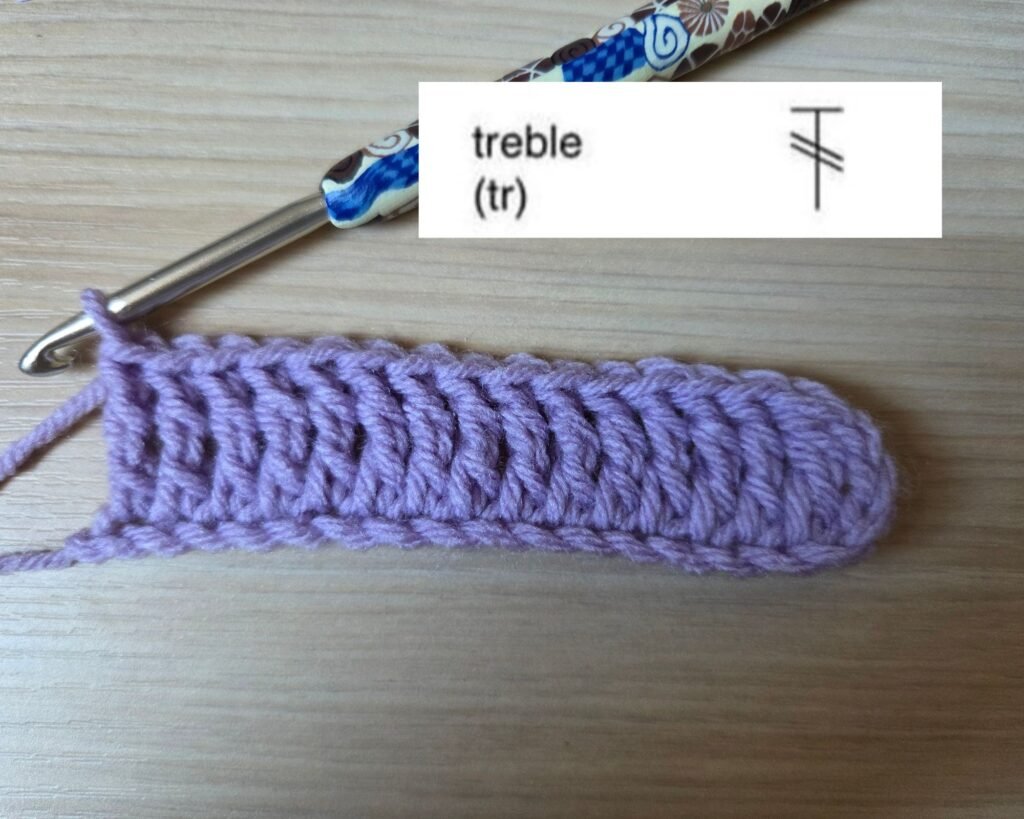
Symbol US Name UK Name Description
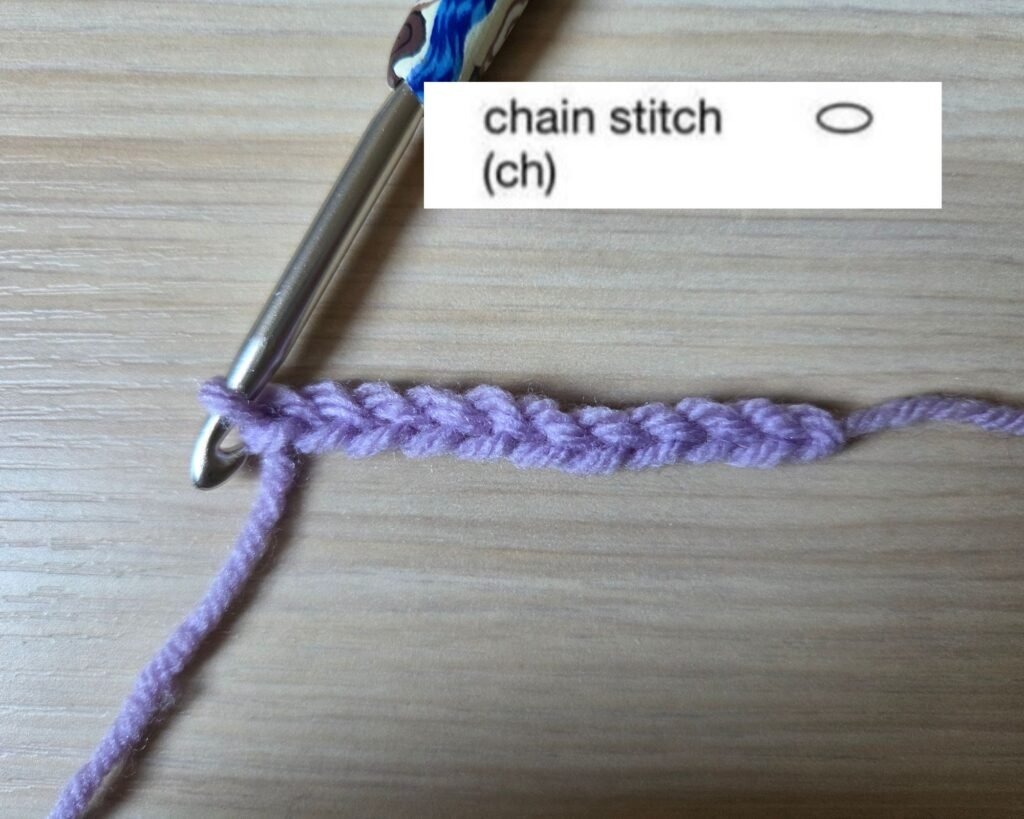
Chain (ch)
How to: Make a slipknot on your hook, yarn over, and pull through the loop. Repeat until you have the desired number of chains.
Common use: Foundation of projects, separators in lace patterns.
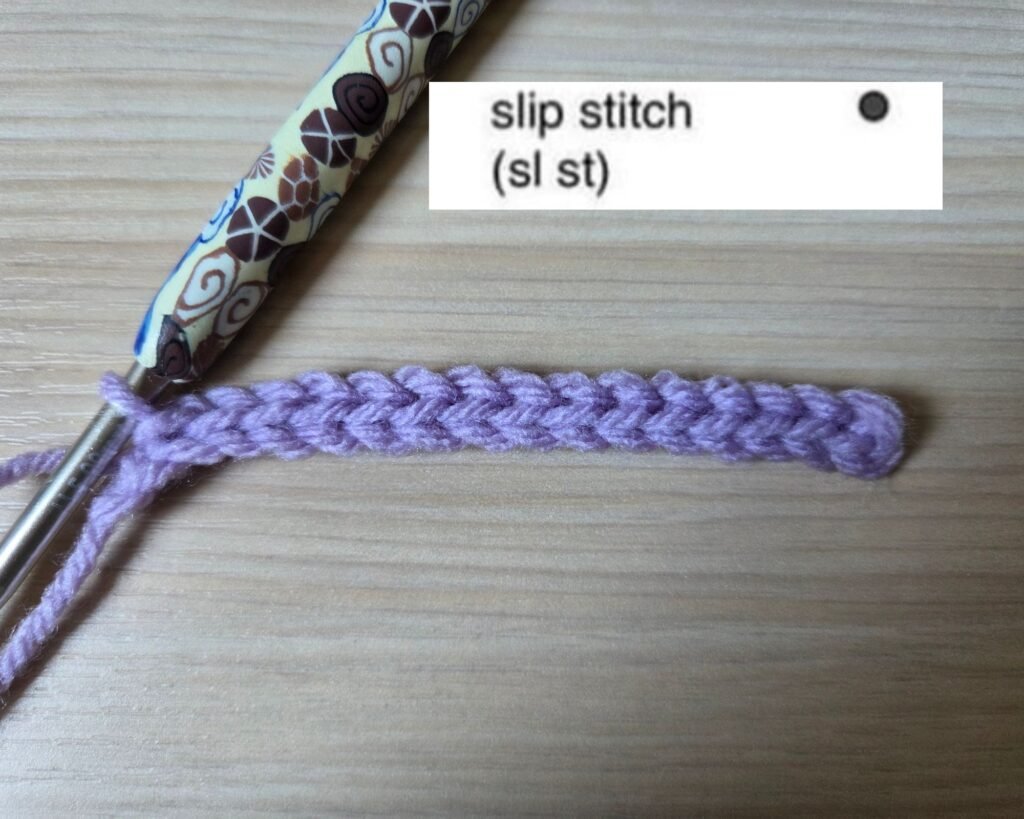
Slip Stitch (sl st)
How to: Insert hook into the next stitch, yarn over, and pull through both the stitch and the loop on your hook.
Common use: Closing rounds, edging, moving without adding height.
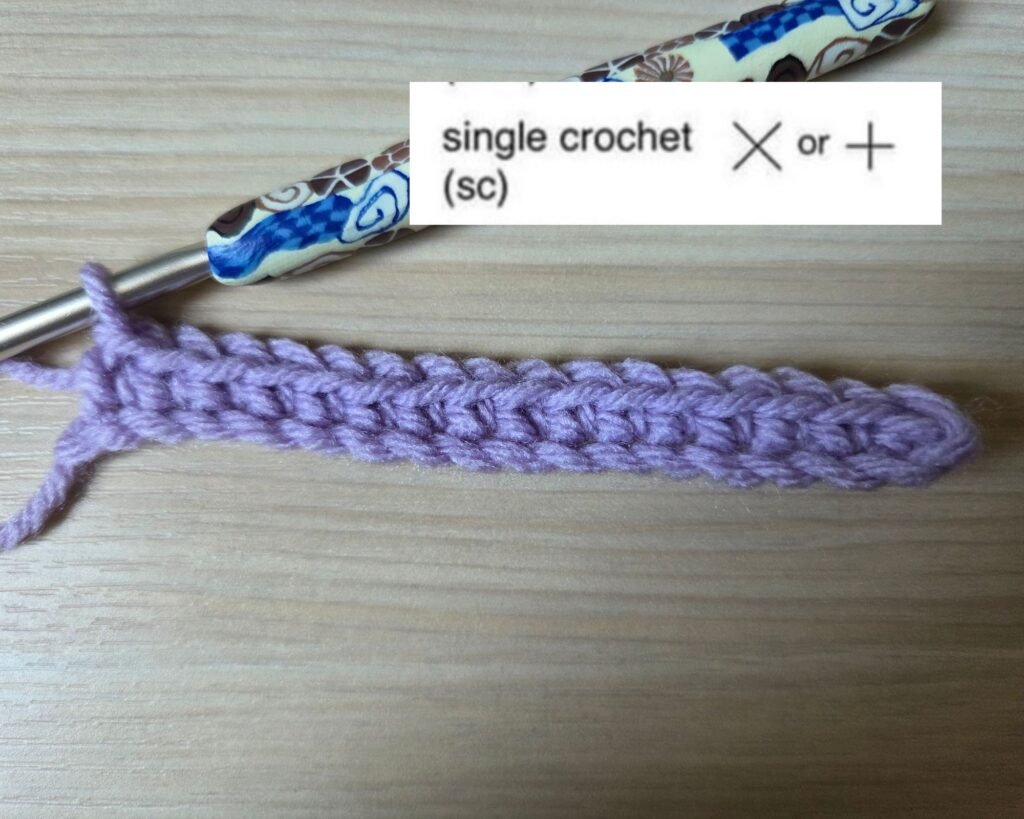
Single Crochet (sc) [US] / Double Crochet (dc) [UK]
How to: Insert hook into the next stitch, yarn over, pull up a loop (2 loops on hook). Yarn over again, pull through both loops.
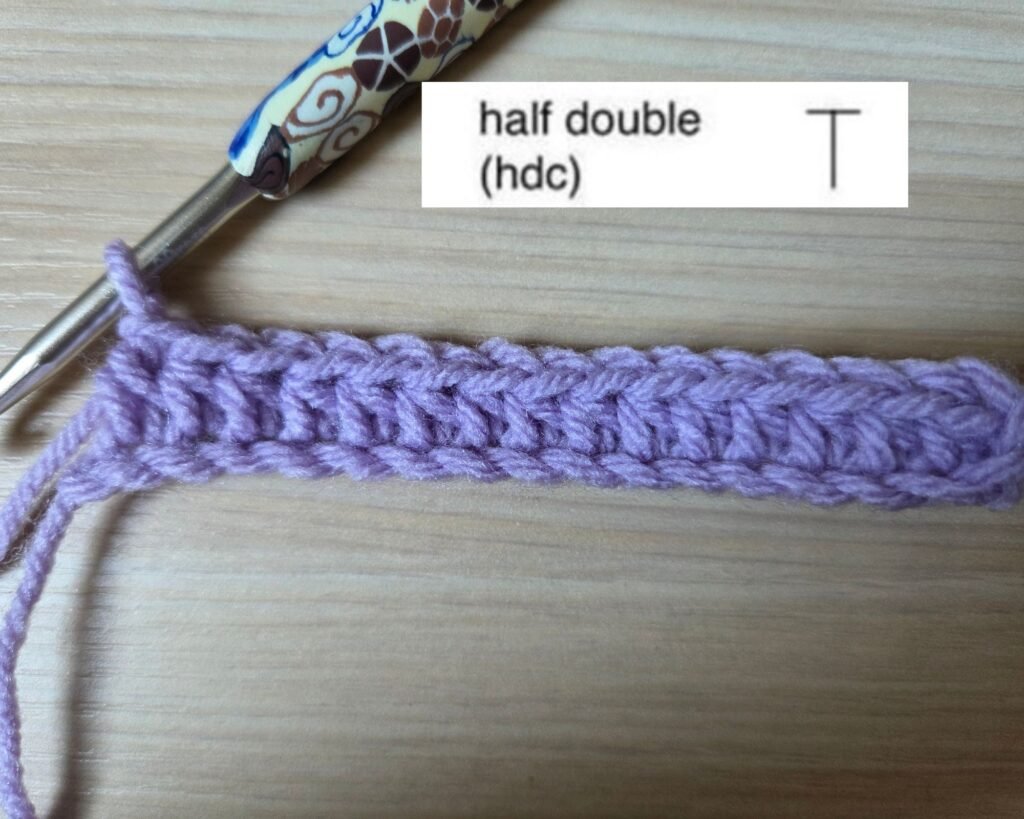
How to: Yarn over twice, insert hook, pull up a loop (4 loops). Yarn over, pull through 2 at a time until complete.
Common use: Extra tall stitches, decorative lacework, openwork designs.
Practical Tips to Avoid Mistakes
1.Always check if the pattern uses US or UK terms.
2.When in doubt, rely on symbols — they’re universal.
3. Keep a conversion chart (like this one!) handy for reference.
Understanding crochet symbols and terminology is the key to feeling free and confident when creating from any pattern, no matter where it comes from. Once you master these basics, every chart becomes just another creative adventure.
1.Save this guide and come back to it anytime you feel unsure!
2. Ready to practice? Explore my free crochet project guides on the website
Would you like to try making crochet garments?
Here you’ll find step-by-step guides for the projects I create.
 EN_GB
EN_GB  IT
IT