Blog
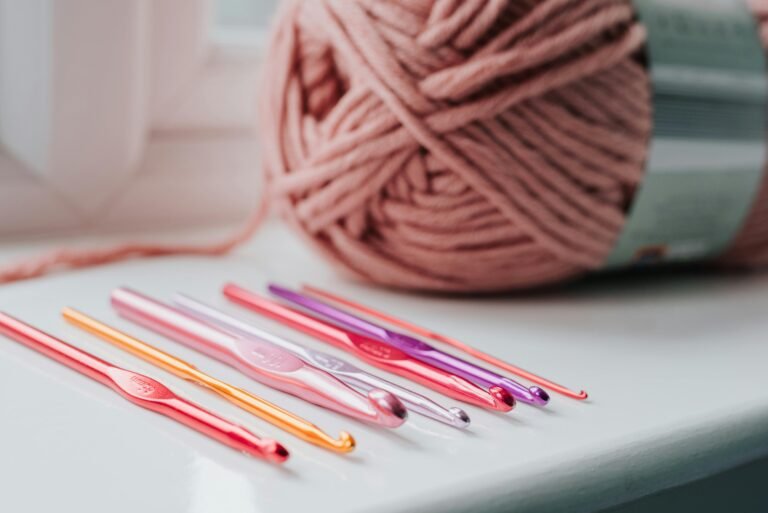
Crochet is a mindful craft that connects patience, creativity, and the joy of handmade. One of the most important foundations in crochet is choosing the right hook size for the yarn you are working with. If the match is off, your project may come out too loose, too stiff, or not hold its intended shape.
But the beauty of crochet is also in its flexibility: by experimenting with hook and yarn pairings, you can create textures that are airy, dense, structured, or drapey — depending on your creative vision.
In this guide, you’ll find:
A full chart of crochet hook sizes (US and UK).
Yarn weights recommended for each hook size.
Examples of yarns to try.
Practical advice on adjusting tension and experimenting with textures.
Whether you’re a beginner learning your first stitches, or an advanced maker designing your own pieces, this guide will help you build a strong foundation.
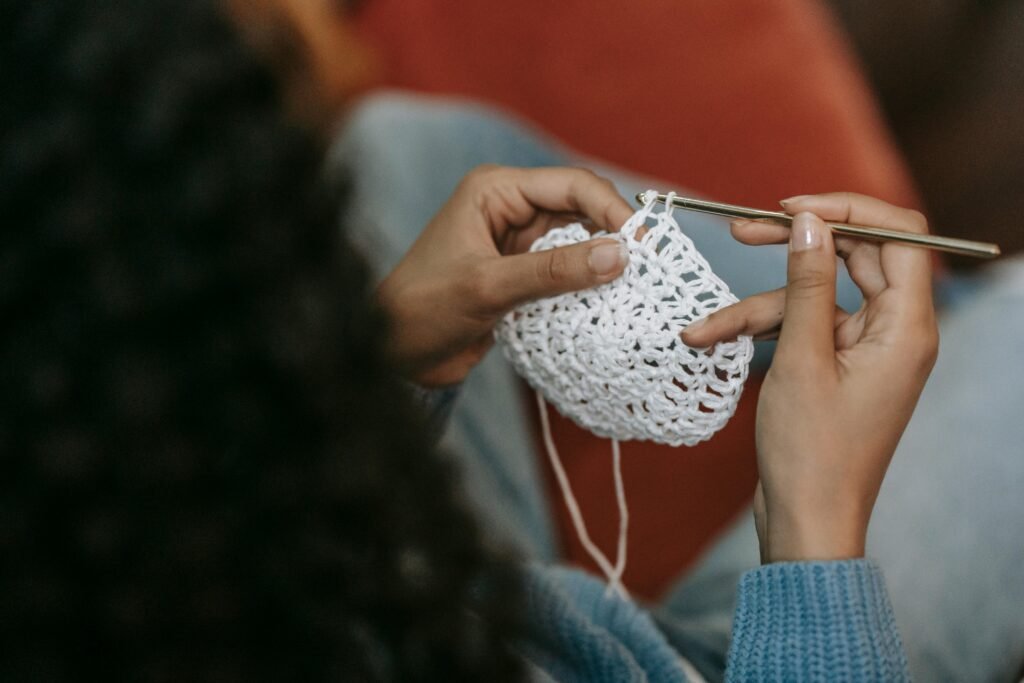
Why Hook and Yarn Matching Matters
Every crochet hook is designed to work with a specific yarn thickness (or weight). Using the recommended pairing ensures:
Consistency in stitch size.
Comfortable drape in garments and accessories.
Correct gauge if following a pattern.
Durability of the finished piece.
For example: if you use a very thin yarn with a very large hook, you’ll create an open, lace-like effect. If you use a thick yarn with a very small hook, the fabric will be dense, stiff, and difficult to work.
That said, sometimes you want those effects! A smaller hook for tighter stitches in a basket, or a larger hook for a breezy summer top. The key is knowing the “rules” first, so you can break them creatively.
Crochet Hook Size Conversion Chart (US vs UK)
US Size UK/Metric Size (mm) Typical Yarn Weight Example Projects
B-1 2.25 mm Lace / Fingering Doilies, lace tops
C-2 2.75 mm Fingering / Sock Lightweight shawls
D-3 3.25 mm Sport weight Baby clothes
E-4 3.5 mm Sport / DK Light cardigans
F-5 3.75 mm DK Summer tops
G-6 4.0 mm DK / Worsted Sweaters, scarves
H-8 5.0 mm Worsted / Aran Blankets, hats
I-9 5.5 mm Aran / Light Bulky Outerwear
J-10 6.0 mm Bulky Winter accessories
K-10.5 6.5 mm Bulky / Super Bulky Chunky sweaters
L-11 8.0 mm Super Bulky Rugs, throws
M/N-13 9.0 mm Jumbo Baskets, floor cushions
N/P-15 10.0 mm Jumbo / Roving Statement blankets
Examples of Yarn and Hook Pairings
Here are some practical suggestions for each range:
2.25–3.25 mm (US B–D):
Use with cotton lace thread or fine merino wool. Perfect for intricate doilies, lace motifs, and delicate summer wear.
Example: Scheepjes Maxi Sugar Rush (cotton).
3.5–4.0 mm (US E–G):
Great for sport or DK cotton, linen blends, or bamboo. Ideal for light tops, baby cardigans, or everyday wearables.
Example: Drops Safran (cotton) or Paintbox Cotton DK.
4.5–5.5 mm (US 7–I):
The most versatile range. Use with DK or worsted yarns in wool, cotton, or blends. Great for sweaters, shawls, scarves.
Example: Lion Brand Wool-Ease, Drops Paris (cotton).
6–7 mm (US J–K):
Works with aran, bulky wool, or soft acrylic blends. Ideal for warm winter tops, oversized sweaters, or hats.
Example: We Are Knitters The Wool, Loops & Threads Charisma.
8–10 mm (US L–N):
Use with super bulky or roving yarns. Perfect for quick blankets, floor poufs, chunky scarves.
Example: Malabrigo Rasta, Bernat Blanket Yarn.
10 mm and up:
Great for arm crochet, rugs, large statement blankets, or sculptural pieces.
Example: T-shirt yarn, Jumbo merino roving.
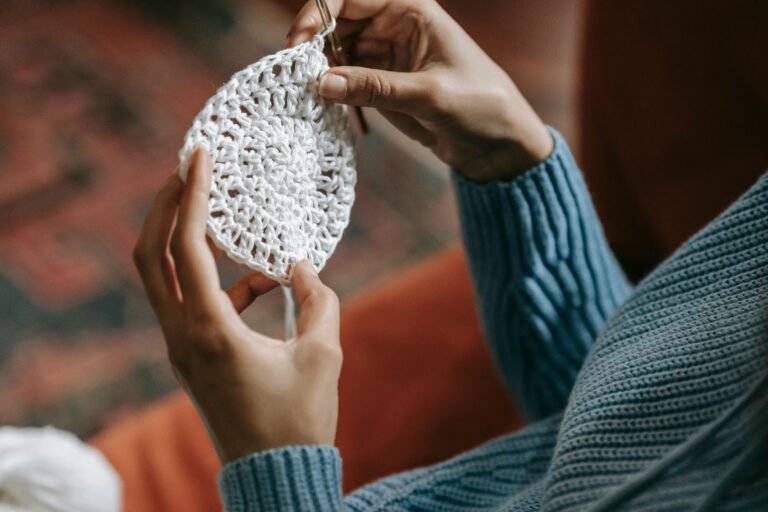
Adjusting Tension for Different Effects
Airy, open fabric: choose a hook one or two sizes larger than recommended. Great for summer tops or lacy scarves.
Dense, structured fabric: choose a hook one size smaller. Perfect for baskets, bags, or warm winter garments.
Balanced drape (recommended): stick with the yarn label suggestion.
Always make a swatch before starting a project. This will save time and frustration, especially if you are making clothing where size really matters.
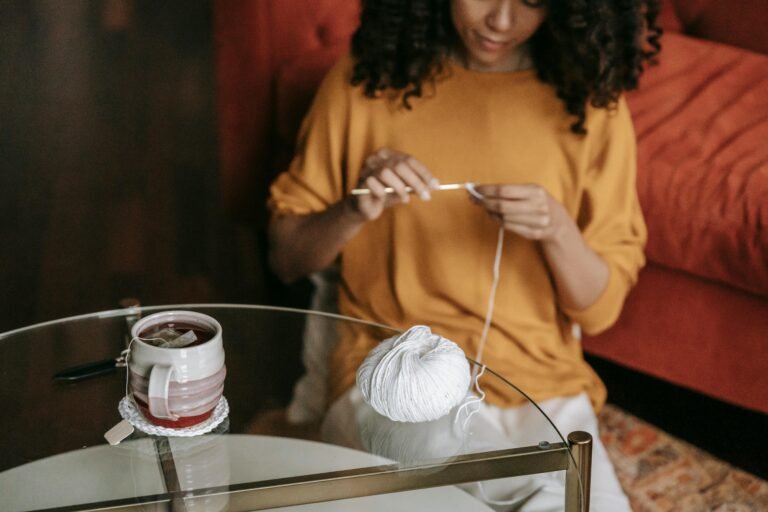
Crochet is not only about following rules, but also about freedom. The right yarn and hook pairing can transform a simple stitch into a fabric that feels alive in your hands.
Take this as an invitation: choose a yarn you love, match it with the right hook — and then try breaking the rule once in a while. You might discover a texture or drape that feels perfect for your unique project.
Slow living means giving yourself time to experiment, enjoy the process, and create with intention. With each stitch, you’re not only making a piece of fabric, but weaving in moments of calm, focus, and joy.
 EN_GB
EN_GB  IT
IT